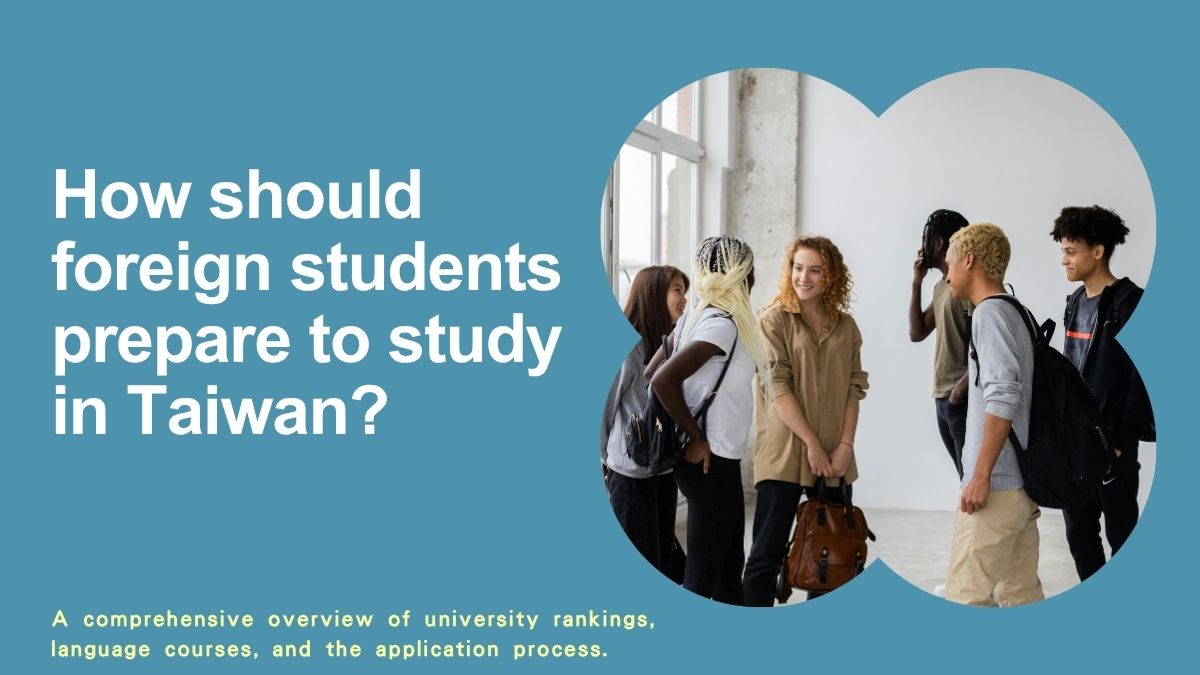
In recent years, more international students have chosen to come to Taiwan to study Chinese or pursue university and graduate degrees.
In addition to its friendly language environment and multicultural society, Taiwan’s universities are also competitive in global rankings such as QS and THE, making it one of the most popular study destinations in Asia.
For many international students, the real challenge is not deciding whether to come to Taiwan, but rather how to choose the right school, select suitable programs, prepare application documents, and adapt to life in Taiwan. Differences in course intensity and housing options across cities can also significantly impact the overall learning experience.
This article provides an overview of Taiwan’s university rankings, study options for international students, application procedures, and course selection. It also introduces the support services offered by OH YOUNG International Language Center to help students better plan their study journey in Taiwan.

1. Overview of Taiwan’s University Rankings
Universities in Taiwan vary by region in terms of academic strengths and living environments.
According to consultants at OH YOUNG International Language Center, northern Taiwan offers abundant academic resources, central and southern regions generally have lower living costs, while eastern Taiwan is known for its natural environment and interdisciplinary programs.
|
Region |
University |
QS 2026 |
THE 2026 |
City |
|
North North North North North |
National Taiwan University |
63 |
140 |
Taipei |
|
National Tsing Hua University |
176 |
401–500 |
Hsinchu |
|
|
National Yang Ming Chiao Tung University |
199 |
401–500 |
Hsinchu |
|
|
National Chengchi University |
>1000 |
>1500 |
Taipei |
|
|
National Taiwan Normal University |
400–500 |
501–600 |
Taipei |
|
|
Central |
National Chung Hsing University |
628 |
1201–1500 |
Taichung |
|
South |
National Cheng Kung University |
203 |
501–600 |
Tainan |
|
South |
National Sun Yat-sen University |
439 |
601–800 |
Kaohsiung |
|
East |
National Dong Hwa University |
1201–1400 |
1201–1500 |
Hualien |
2. Main Study Options for International Students
International students in Taiwan typically follow one of three study paths, each with different purposes and application procedures:
|
Study Type |
Description |
Duration |
|
Mandarin Language Centers |
Chinese language learning |
Several weeks to 1 year |
|
Degree Programs |
Undergraduate or graduate degrees |
2–4 years |
|
Exchange Programs |
Partner university programs |
One semester to one year |
Language programs are often the first step for many students, with some continuing into degree programs afterward.
OH YOUNG International Language Center offers free consultations to help students choose the most suitable programs and campuses.
3. Application Process for Studying in Taiwan
The general process for studying in Taiwan is as follows:
|
Step |
Description |
Required Documents |
Outcome |
|
STEP 1 |
School and program selection |
Language level & study goals |
Program selection |
|
STEP 2 |
Application submission |
Passport & application documents |
Admission offer |
|
STEP 3 |
Visa & accommodation arrangements |
Financial proof & housing info |
Visa approval & housing secured |
|
STEP 4 |
Pre-departure preparation |
Health check & insurance |
Ready for enrollment |
Note: Application timelines vary by school and program, so early planning is essential.
4. Pre-Departure Preparation
Before arriving in Taiwan, students typically need to prepare the following:
- Passport and application documents
- Confirmation of program and admission requirements
- Housing and daily necessities arrangements
- Health insurance and medical check-ups
- Budget and living expense planning
- Participation in orientation or cultural preparation programs
Thorough preparation helps ensure a smoother transition to life in Taiwan.
5. Types of Language Programs
Language programs in Taiwan come in various formats.
-
Course type arrangement
|
Program Type |
Duration |
Suitable For |
Notes |
|
Long-term programs |
6–12 months |
Beginners & long-term learners |
Requires consistent commitment |
|
Short-term intensive programs |
2–4 weeks |
Short-term students |
High course intensity |
|
Specialized Chinese programs |
1–3 months |
Business or professional needs |
More specialized content |
Choosing the right program depends on both your language level and learning goals.

6. Student Case Studies
Here are examples of students from different backgrounds.
-
Student study case
|
Background |
Program |
Challenge |
Advice |
Outcome |
|
Korean university student |
Long-term language |
Cultural adaptation |
Increase communication opportunities |
Rapid improvement in speaking skills |
|
German engineer |
Intensive program |
High workload |
Schedule rest time |
Successfully completed program |
|
U.S. healthcare professional |
Specialized Chinese |
Lack of technical vocabulary |
Practice with simulations |
Able to conduct professional conversations |
These cases show that both course selection and preparation significantly affect learning outcomes.
7. Support from OH YOUNG International Language Center
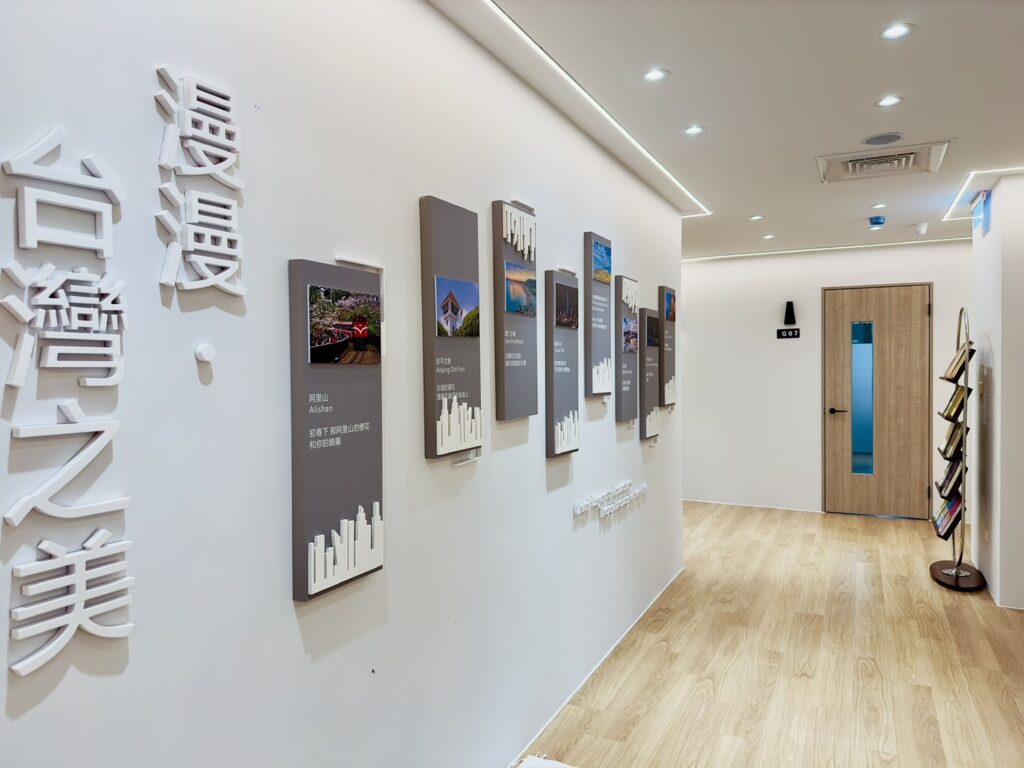
For students unfamiliar with Taiwan’s education system, OH YOUNG provides the following support:
- Study abroad consultation and school selection
- Application document assistance
- Visa and accommodation information
- Study planning and pre-departure guidance
- Airport pickup services
These services help students better understand the process and prepare efficiently for studying in Taiwan.

8. Frequently Asked Questions
1. Do I need prior Chinese knowledge to study in Taiwan?
Not necessarily. Many language programs are designed for beginners. Most language centers provide placement tests to ensure students are assigned to appropriate levels. For complete beginners, long-term programs are usually recommended to gradually build listening, speaking, reading, and writing skills.
2. What are the ways to study in Taiwan?
The main options include Mandarin language programs, degree programs, and exchange programs. Language programs focus on improving Chinese proficiency, while degree programs aim at obtaining academic qualifications. Exchange programs are typically short-term and arranged through partner institutions.
3. How long do language programs usually last?
Programs range from a few weeks to one year, depending on the school’s curriculum. Short-term programs are intensive and suitable for brief stays, while long-term programs provide structured, progressive learning.
4. Do international students need a visa to study in Taiwan?
Some students are required to apply for a visa or entry permit. Requirements vary depending on government regulations and school policies. Students may need to prepare admission documents, financial proof, or health certificates. Visa applications are usually handled by the students themselves, though some schools or agencies provide guidance.
5. What documents are required for studying in Taiwan?
Common documents include a passport, application forms, and supporting documents. Requirements vary by program, and some schools may require academic transcripts or language proficiency certificates. Applicants may also need to complete forms and provide personal information. OH YOUNG International Language Center offers assistance with these procedures.